


Paris Manga 2026: A precisely engineered portrait of contemporary pop culture

The Paris Manga & Sci-Fi Show 2026 confirms, once again, its role as a central and highly structured reference point within the French and European pop culture landscape. Hosted at Paris Nord Villepinte, the convention does not present itself as a reinvention of the format, but rather as a continuation of a model that has been progressively refined over decades. Its strength lies precisely in this continuity: the ability to maintain a coherent identity while integrating an increasingly wide range of cultural practices and industries.

Organized by TGS Événements, this 39th edition operates on a scale that places it among the most significant conventions in the country. The vastness of the exhibition halls is not merely a question of size, but of organization. Each section of the event is clearly defined, yet remains interconnected, allowing visitors to navigate between different cultural spheres without friction. What emerges is a carefully structured environment in which content, audience, and creators coexist within a shared framework.
The convention brings together a broad spectrum of cultural industries: manga and anime, Western comics, cinema, television, gaming, and digital culture. Rather than separating these domains, Paris Manga positions them side by side, reflecting the reality of contemporary consumption. Audiences today do not engage with culture in isolation, and the event reflects this shift with precision. The absence of strict boundaries is not treated as a novelty, but as an established condition that the convention simply organizes and amplifies.
This approach is particularly visible in the way the event structures its programming. The weekend follows a clear internal rhythm. Saturday concentrates the most intense and densely packed moments, with a high volume of activities, appearances, and interactions. Sunday, in contrast, unfolds in a slightly more fluid manner, emphasizing continuity and participation over density. This dual structure allows the event to serve different audience expectations while maintaining an overall sense of coherence.
Guest programming remains a key component of the convention, but its significance extends beyond simple presence. Actors, voice actors, illustrators, and creators are integrated into a system of interaction that includes autograph sessions, conferences, and meet and greets. These formats are not incidental. They are central to the way the event operates, creating structured opportunities for direct engagement between audiences and cultural figures. This proximity is one of the defining characteristics of Paris Manga, reinforcing the connection between production and reception.
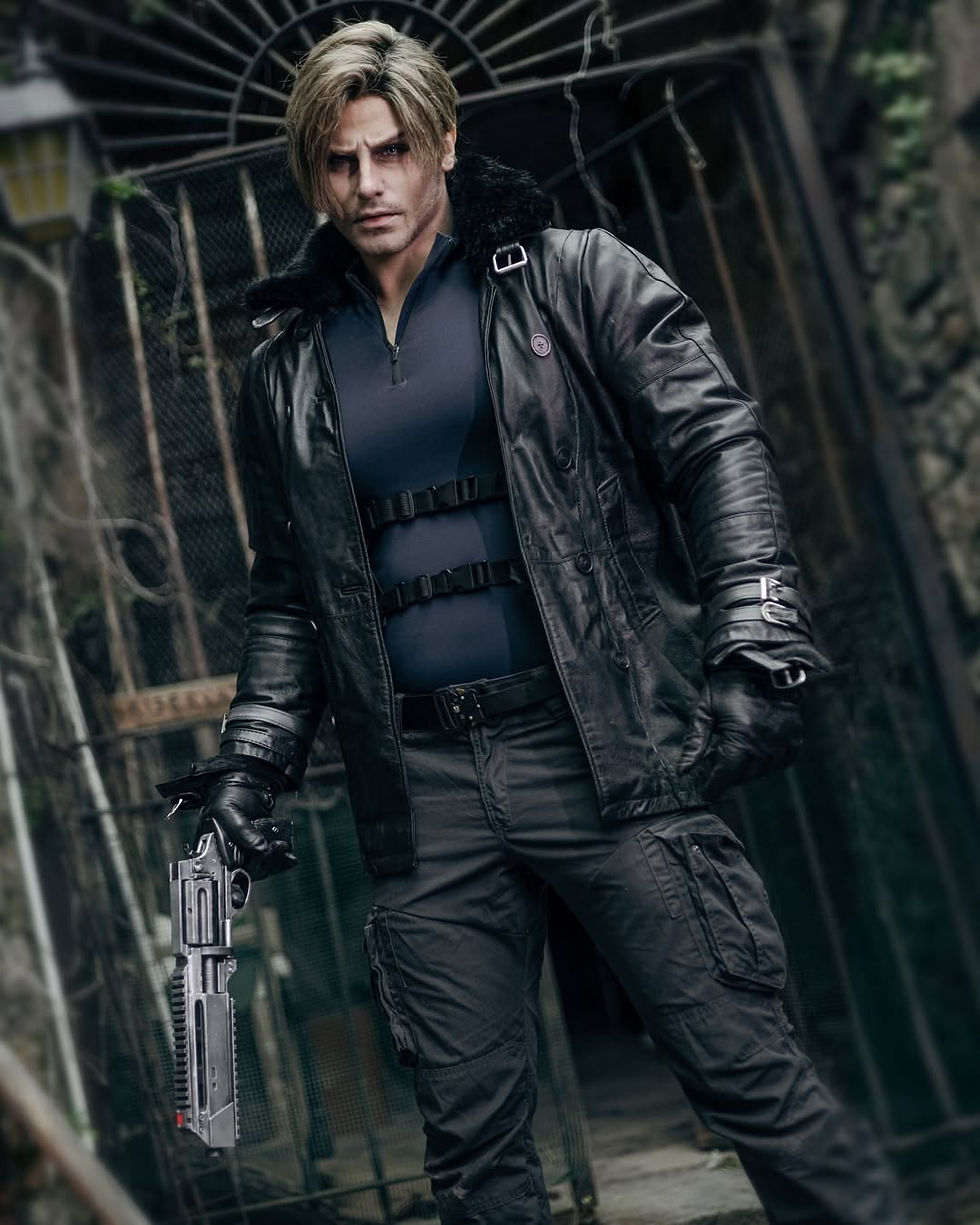
Cosplay occupies a particularly important position within this framework. It is not treated as a peripheral or decorative element, but as a fully integrated practice that contributes to the identity of the event. The dedicated cosplay spaces, competitions, and performances all reflect a high level of organization. These are not isolated moments, but part of a broader system that extends beyond the event itself.
The competitions, in particular, highlight the level of development within the cosplay community. Participants are not only presenting costumes, but engaging in performance, storytelling, and technical craftsmanship. The presence of structured judging, competitive progression, and European circuits further emphasizes the formalization of cosplay as a discipline. It is both an expressive practice and a competitive field, with clearly defined standards and expectations.

Beyond the performances themselves, cosplay at Paris Manga functions as a space of visibility and exchange. It brings together participants from different backgrounds, skill levels, and countries, creating an environment where creation is both individual and collective. The level of detail observed in costumes, as well as the preparation involved in each performance, reflects the degree to which the practice has evolved over time. It is no longer defined solely by imitation, but by interpretation and personal expression.
Gaming is another major pillar of the event, and its presence is felt throughout the venue. Rather than being confined to a single area, gaming is integrated across multiple spaces, offering a range of experiences that cater to different audiences. Retro gaming areas, competitive tournaments, and interactive zones create a dynamic environment in which visitors can engage directly with the medium.
The inclusion of competitive gaming reinforces the participatory nature of the event. Players are not simply spectators; they are active participants in structured competitions. This introduces an additional layer of engagement, where skill, strategy, and performance come together within a formalized setting. At the same time, more casual gaming areas allow for open interaction, ensuring that the experience remains accessible to a broad audience.
Exhibition spaces play a crucial role in shaping the overall experience of the convention. Large-scale installations and themed environments transform familiar intellectual properties into physical spaces that visitors can explore. These installations are not merely visual displays. They are designed as immersive environments, allowing audiences to engage with content in a tangible way.
A notable example is the presence of large franchise-based exhibitions, such as the Harry Potter-themed space. These areas illustrate how narrative universes are translated into spatial experiences, extending the life of these properties beyond their original medium. Visitors move through these environments, interacting with elements that are both symbolic and physical. This creates a layered experience that combines visual design, spatial awareness, and cultural familiarity.
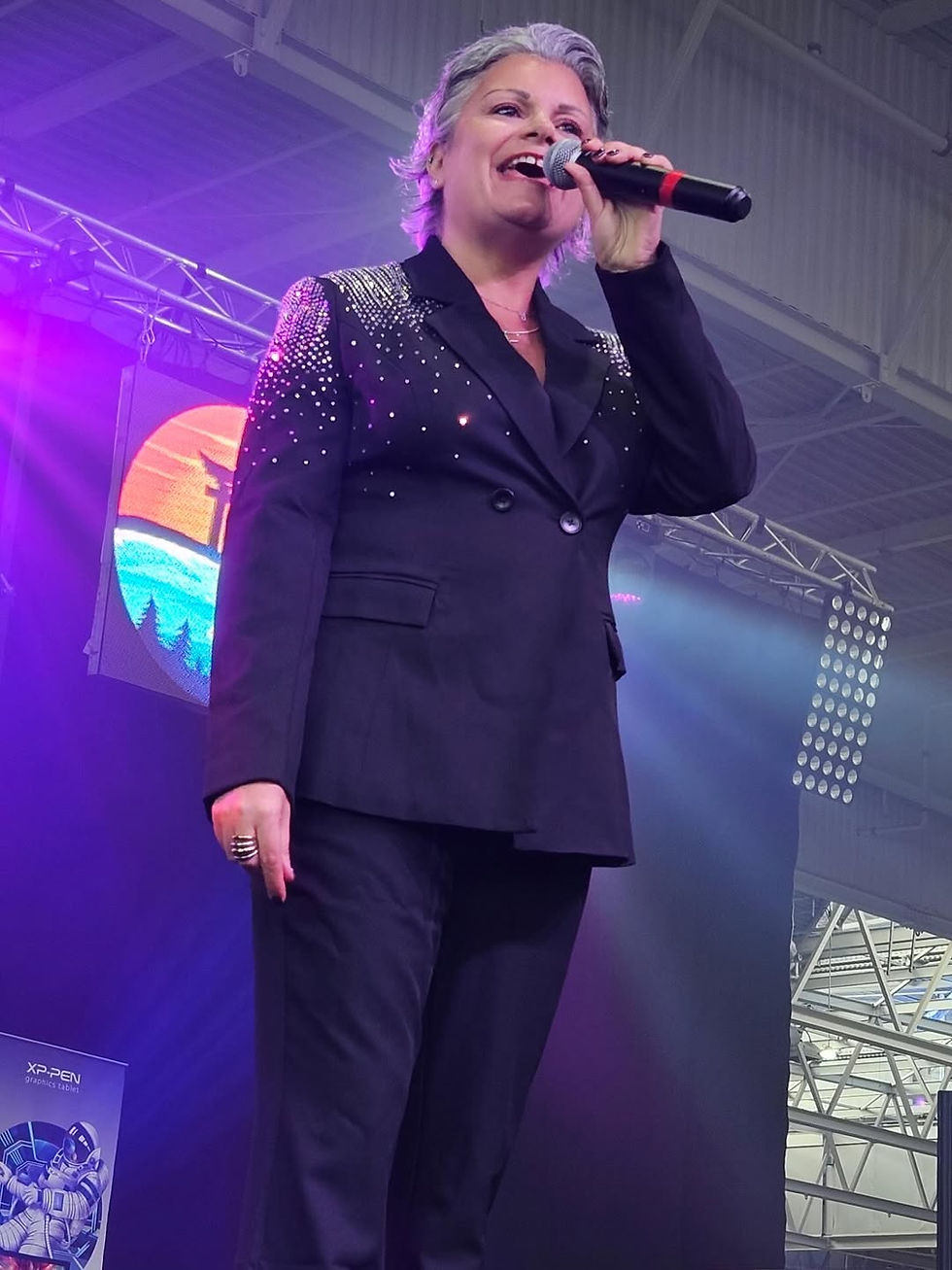
Live performances further contribute to the dynamism of the event. Music, stage shows, and interactive segments ensure a constant flow of activity across both days. These moments are not isolated highlights, but part of a broader programming strategy designed to maintain engagement throughout the weekend. They also serve as points of convergence, bringing together different audiences within shared moments of attention.
Within this wider structure, the presence of K-pop provides a clear example of how the convention integrates global cultural practices into its framework. Rather than occupying a central or dominant position, K-pop is embedded within specific segments of the program, particularly those related to performance and participation.
Dance competitions, group performances, and interactive activities define the way K-pop is expressed within the event. These formats highlight a key aspect of its global presence: its transformation into a participatory culture. At Paris Manga, K-pop is not presented through traditional industry mechanisms. Instead, it is performed and reinterpreted by its audience.
This distinction is significant. It reflects the way K-pop has evolved outside of its original industrial context. In this environment, it functions less as a product and more as a practice. Participants engage with choreography, stage presence, and group coordination, often within structured competitive formats. This creates a space where performance becomes a shared activity rather than a passive experience.
The inclusion of K-pop within a broader European competition circuit adds another layer of structure. Participants compete at a national level, with the opportunity to advance to larger stages. This introduces a formal progression system that aligns with other competitive disciplines. It also situates the event within a wider network, connecting local performances to international frameworks.
The presence of K-pop alongside cosplay, gaming, and anime highlights its integration into a broader cultural ecosystem. These elements are not isolated from one another. They coexist within the same environment, reflecting overlapping audiences and shared modes of engagement. This convergence is one of the defining characteristics of Paris Manga, and it mirrors broader trends in global pop culture.
Rather than existing as separate categories, these practices form part of a continuum. Visitors often engage with multiple aspects of the event simultaneously, moving between different areas and forms of participation. This fluidity reflects the way contemporary audiences interact with culture more broadly, where boundaries between genres and formats are increasingly blurred.
From a structural perspective, Paris Manga demonstrates a high level of coherence. Each component of the event contributes to an overall framework that is both stable and adaptable. The convention does not rely on constant reinvention to remain relevant. Instead, it builds on a model that has proven effective, refining its components over time while maintaining a consistent identity.
This consistency is one of its greatest strengths. It allows the event to function as a reliable reference point within the cultural landscape. At the same time, the gradual integration of new practices and influences ensures that it remains aligned with broader cultural developments.
What ultimately defines Paris Manga is its ability to organize complexity. It brings together a wide range of cultural forms, practices, and industries within a single environment, without losing coherence. It connects professional and amateur participation, global and local influences, structured programming and open interaction.
The result is an event that reflects the current state of pop culture with clarity and precision. It does not attempt to define itself as something entirely new each year. Instead, it operates as a continuation of an established system, one that continues to evolve while remaining grounded in its core principles.
In this sense, Paris Manga is less about discovery and more about observation. It provides a space where existing cultural dynamics can be seen, experienced, and understood within a structured environment. Its importance lies not in presenting something unprecedented, but in offering a clear and organized representation of how contemporary pop culture functions today.


Comments